A Journey in the Footsteps of SumitomoThe Foundation That Shaped the Sumitomo of Today

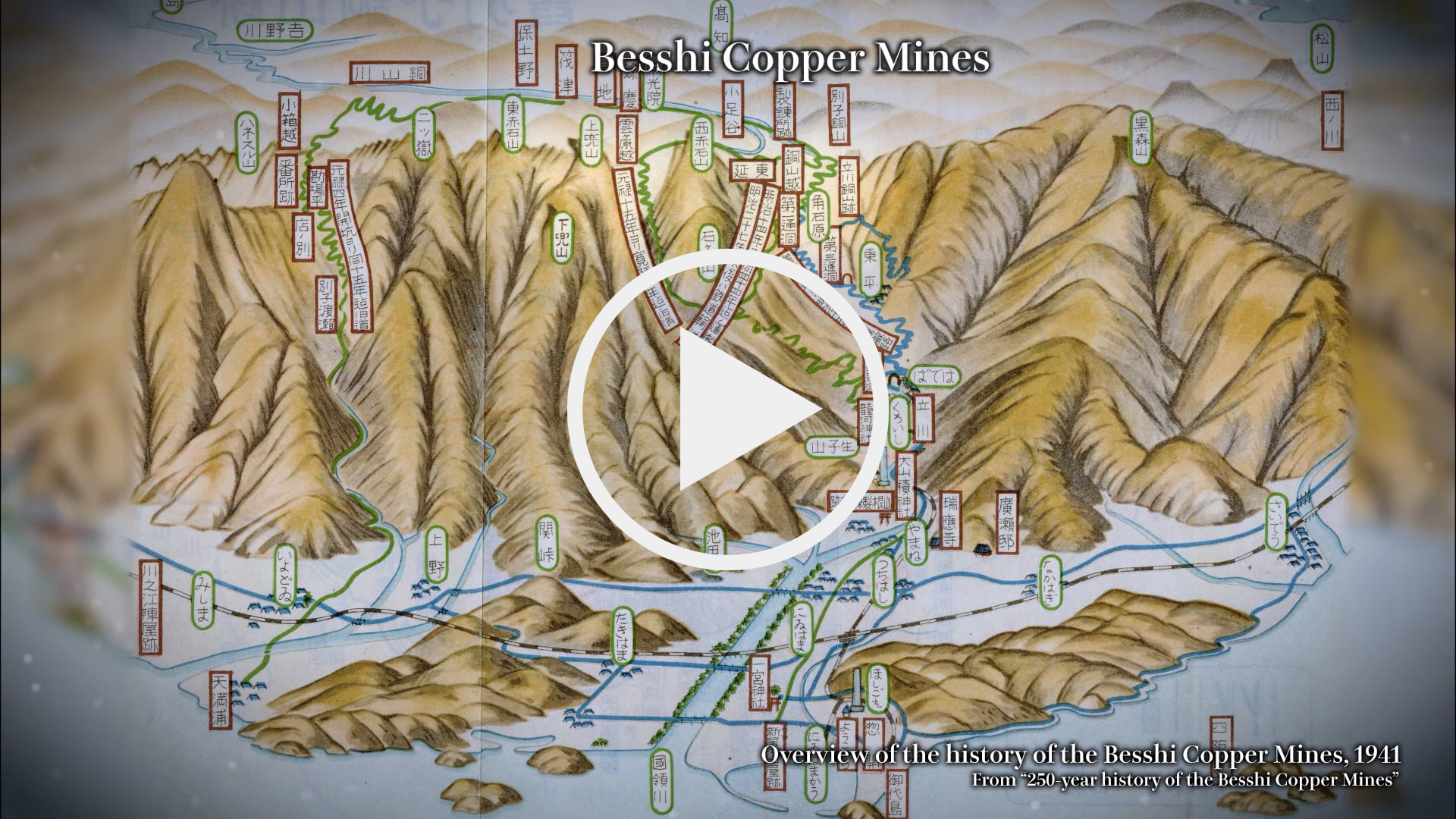
The Besshi Copper Mines, which laid the foundation for the development of the Sumitomo Group, opened in 1691 (Genroku 4). Their large copper output helped support the economy of Edo-period Japan, then the world’s leading copper-producing country. From the Meiji era onward, the Besshi Copper Mines were at the forefront of Japan’s modernization and became the source of a wide range of new businesses.

We visit Niihama in Ehime Prefecture, home to the Besshi Copper Mines—the cradle of Sumitomo’s development—to explore the challenges tackled by our predecessors and the prosperity of the community.

The origins of Sumitomo: The history of the Besshi Copper Mines

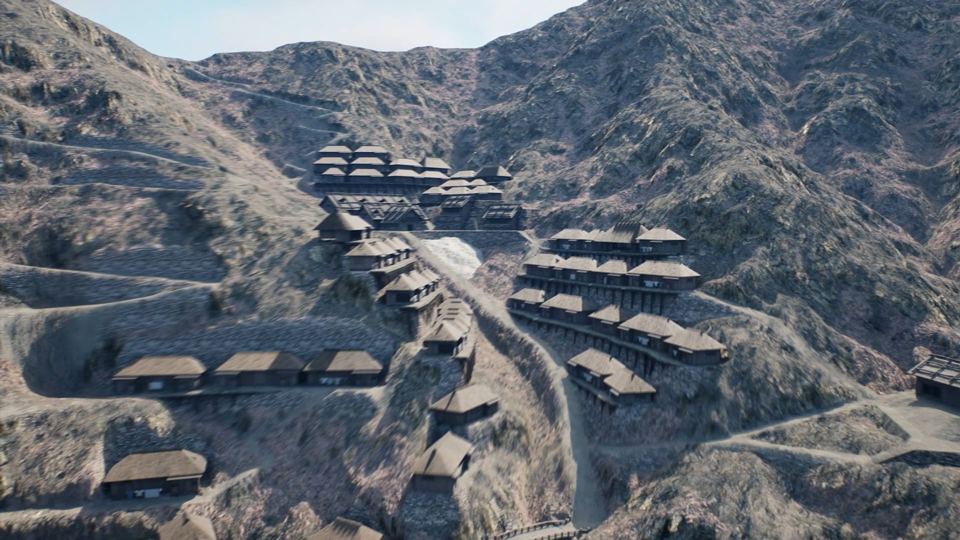
The discovery of rich copper deposits attracted many people to Besshi with hopes of a better future, and the settlement rapidly grew into a thriving mining town. We follow the story of our predecessors who confronted the many challenges that accompanied this growth.
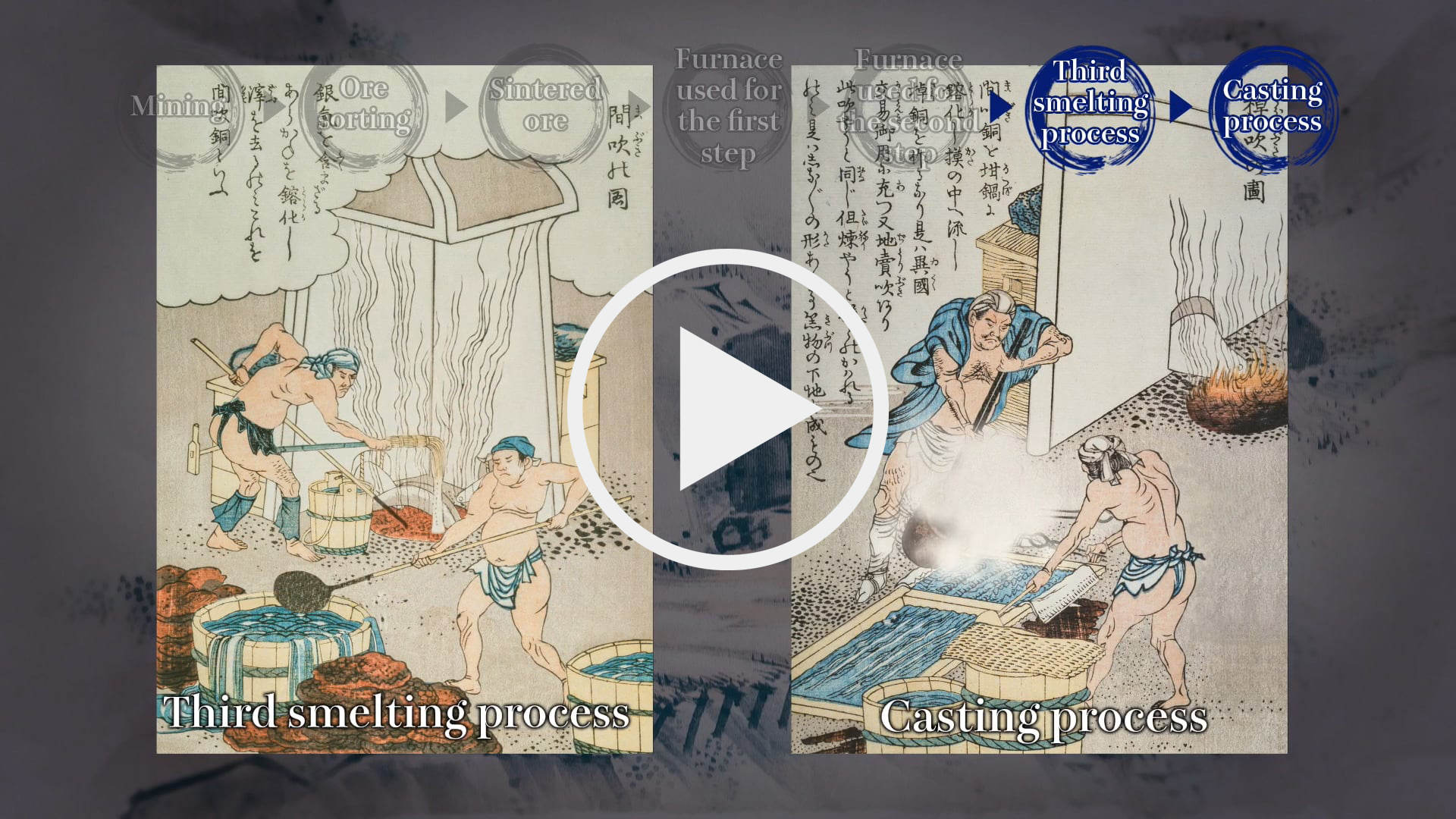

Sumitomo’s efforts to combat pollution: A history of progress

As copper production increased, Niihama’s smelting industry flourished. However, sulfur dioxide emissions from the smelter became a major pollution problem. We explore the efforts of our predecessors at Sumitomo to find a fundamental solution to the environmental damage caused by these emissions.

The Besshi Copper Mines and the industrial city of Niihama

Opened in 1691, the Besshi Copper Mines underwent extensive modernization following the Meiji Restoration, transforming the mining, smelting, and transportation operations. As activities expanded from the mountains to the sea, they shaped Niihama into the industrial city it is today. We trace three centuries of development shaped by successive generations, from the sweeping reforms in the Meiji era through to the closure of the mines in 1973 and the postwar emergence of the Sumitomo Group.

PageTop